Understanding Everyday Nutritional Choices
An educational resource exploring natural dietary components and common food categories in daily routines for men's general lifestyle balance
Educational content only. No promises of outcomes.
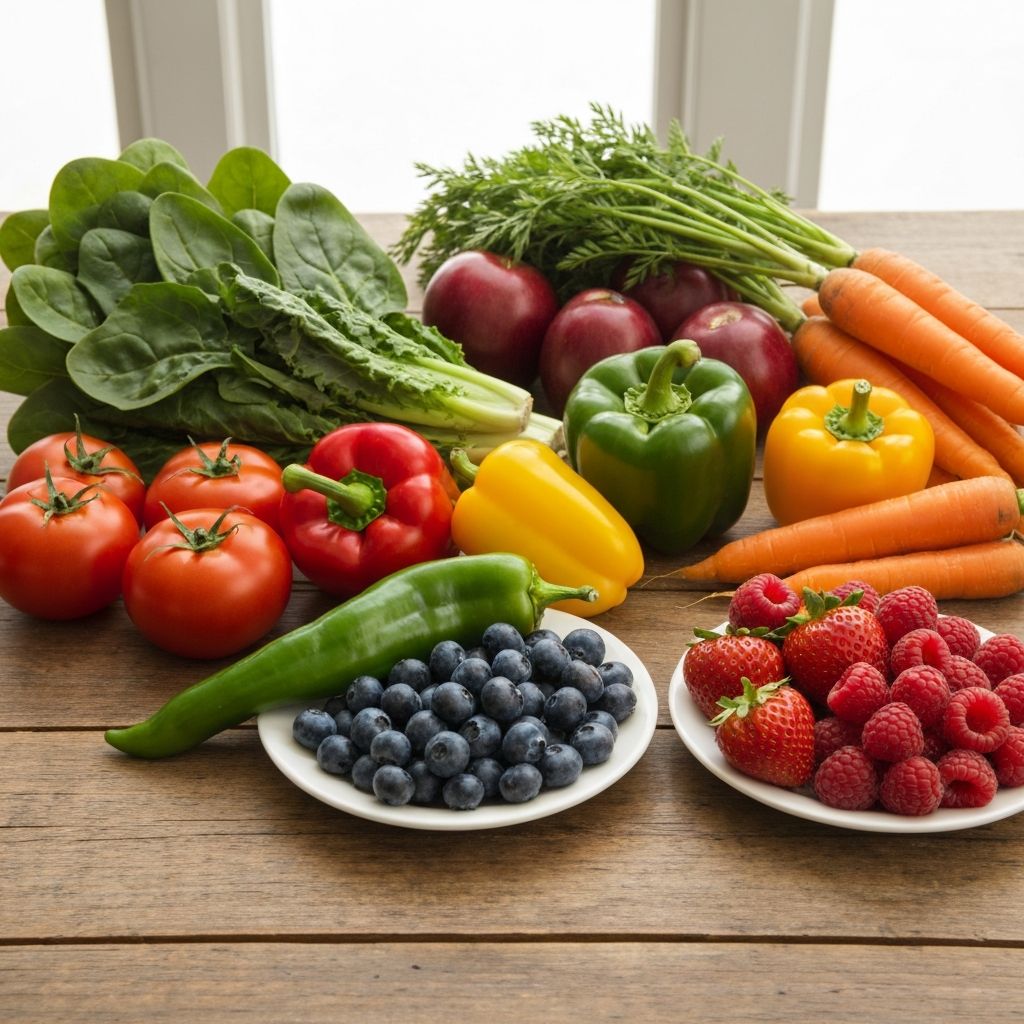
An educational resource exploring natural dietary components and common food categories in daily routines for men's general lifestyle balance
Educational content only. No promises of outcomes.

Everyday nutrition involves a wide range of natural ingredients that people commonly include in their diets. Understanding basic food categories helps individuals recognize the diversity of options available in typical meal planning.
This educational resource examines common dietary components without providing individual recommendations or promising specific outcomes. Food choices vary significantly across cultures, personal preferences, and daily routines.
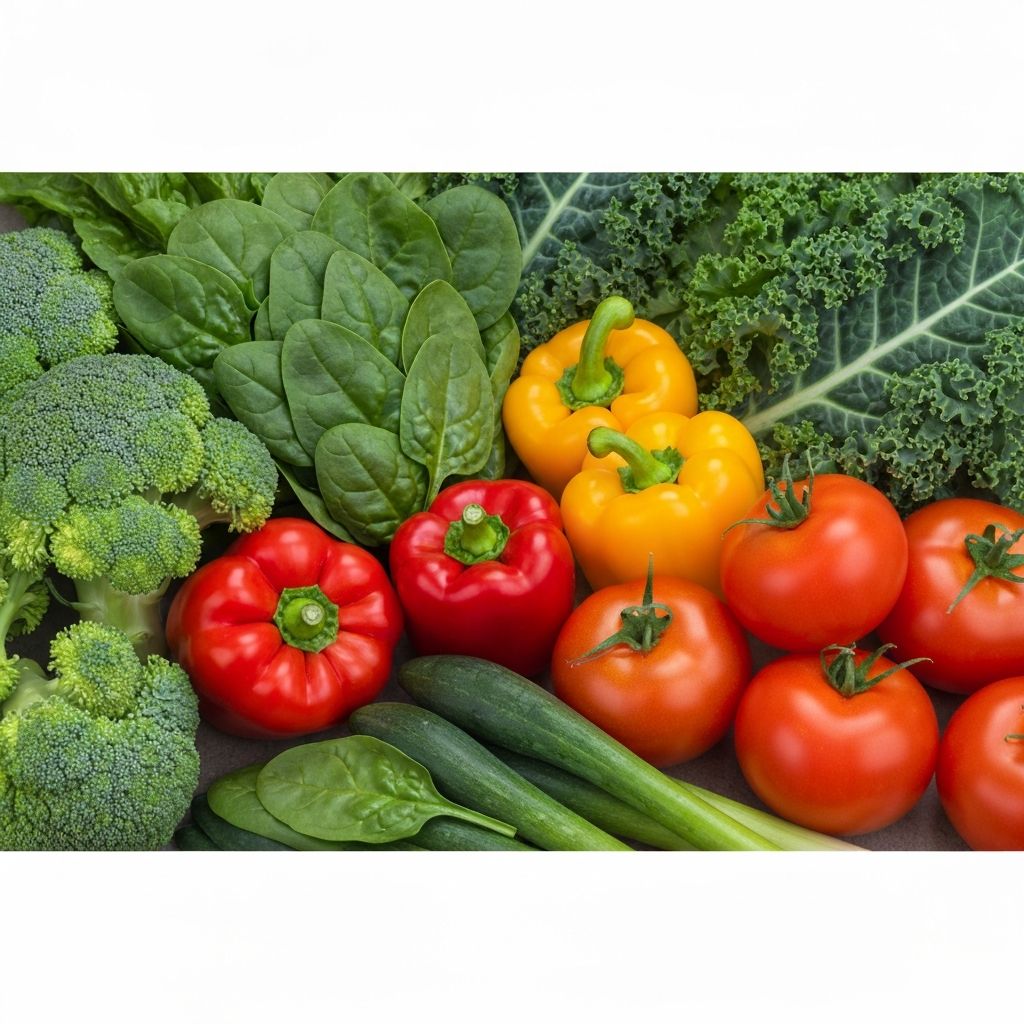
Leafy greens, root vegetables, and cruciferous varieties represent common categories found in daily meals across different cultures and dietary patterns.
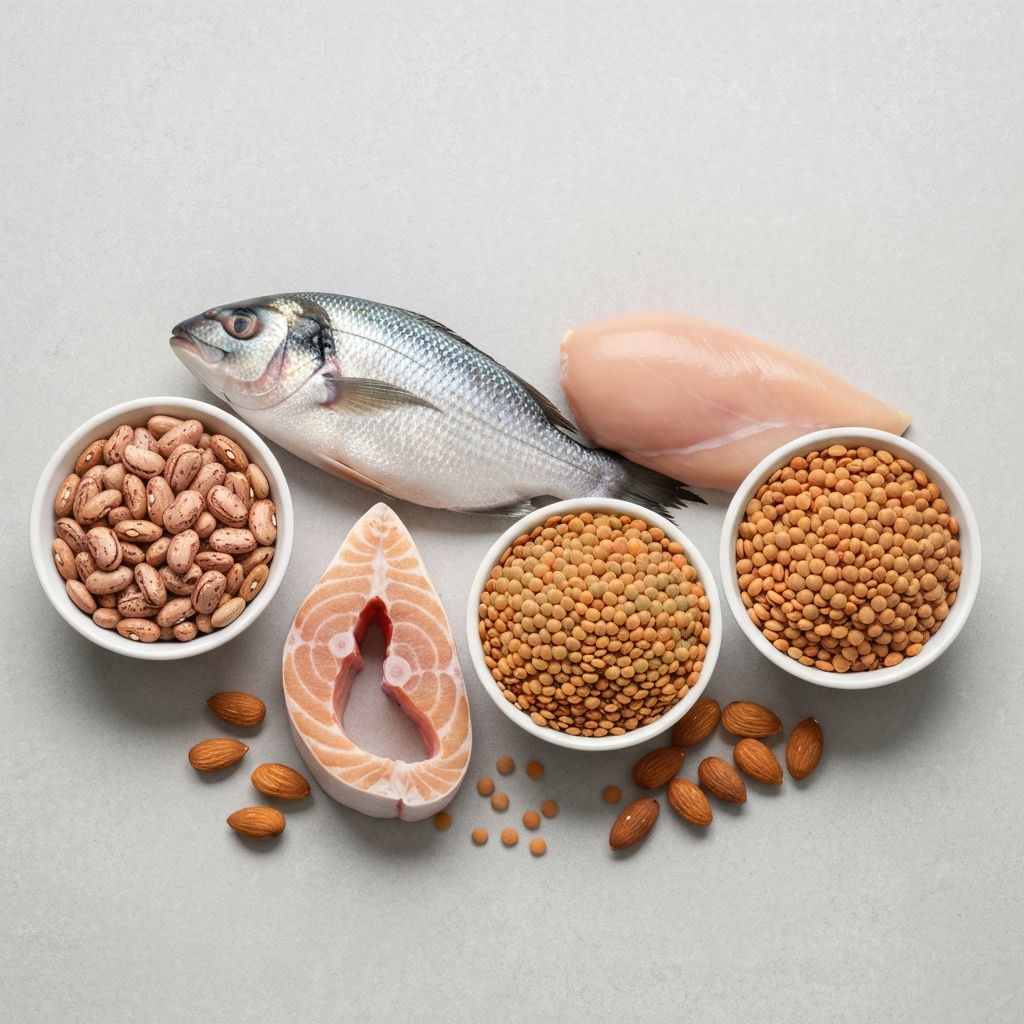
Fish, poultry, legumes, and nuts are frequently included protein-rich ingredients in various dietary approaches and meal preparations.
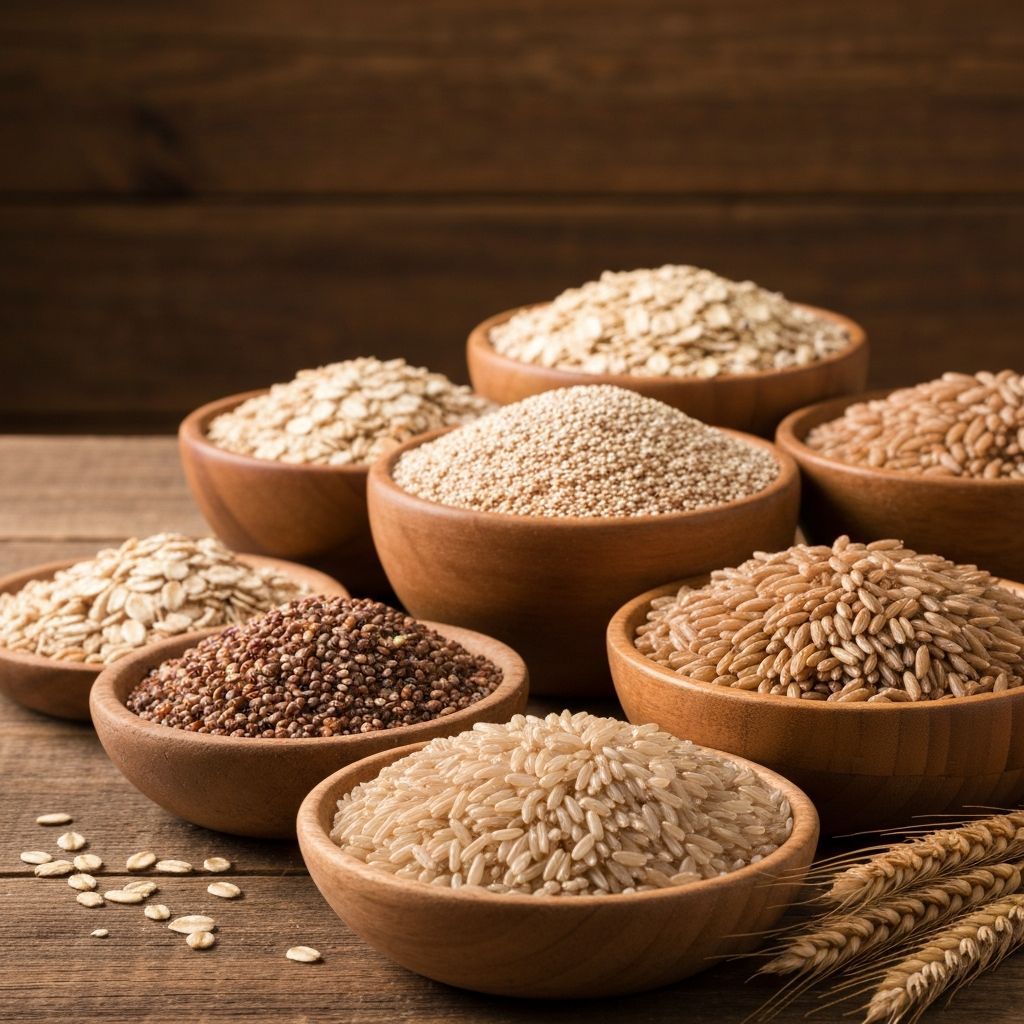
Oats, quinoa, brown rice, and other whole grain options are commonly consumed carbohydrate sources in balanced daily eating patterns.
Individual daily routines vary widely based on lifestyle factors, work schedules, activity levels, and personal preferences. There is no single approach to incorporating nutritional choices into everyday life.
Some individuals prefer multiple smaller meals throughout the day, while others follow different eating patterns. Physical activity levels, sleep schedules, and stress management all interact with dietary habits in complex ways that differ from person to person.
This educational content describes common patterns observed in general populations without recommending specific routines or promising particular outcomes.
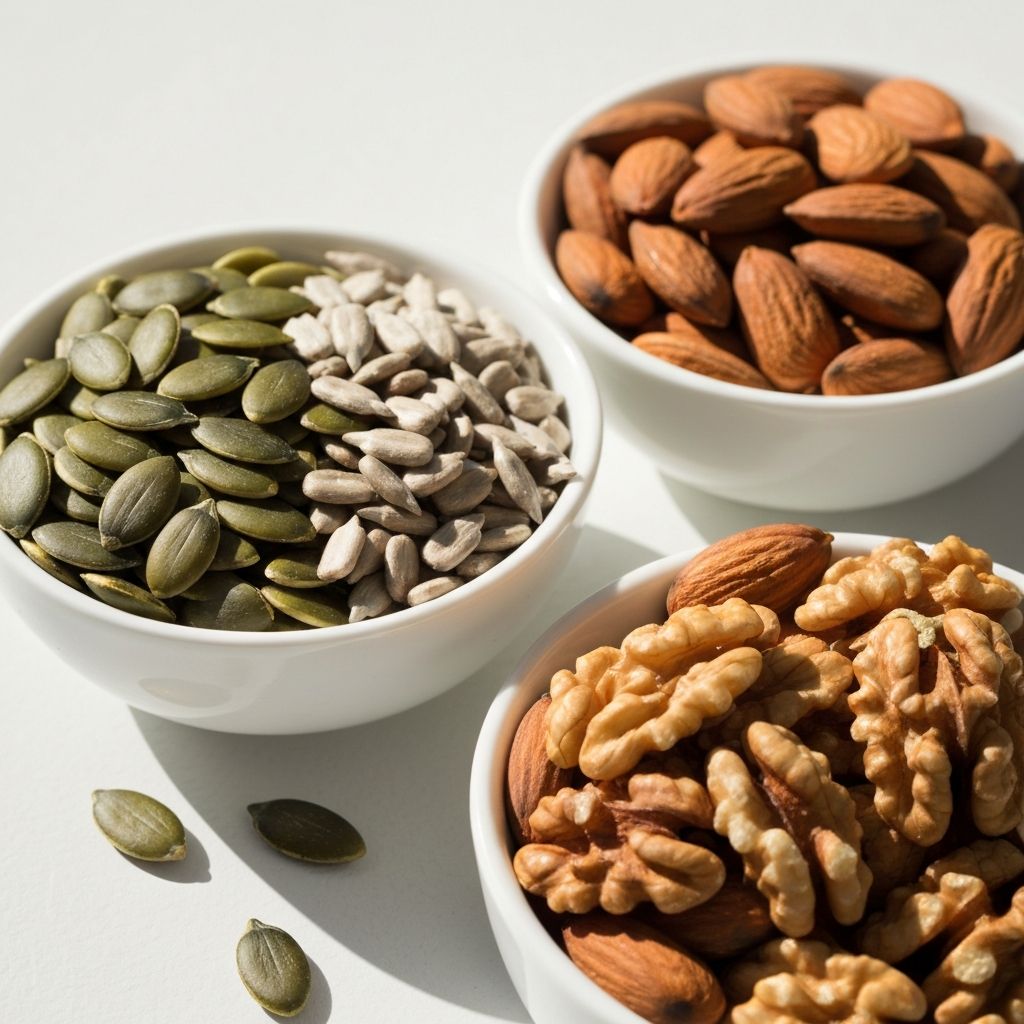
Pumpkin seeds, sunflower seeds, almonds, and walnuts are frequently consumed snack options and recipe ingredients. These items contain fats, proteins, and various minerals commonly found in plant-based foods.
Different varieties offer different nutritional profiles, and consumption patterns vary based on individual preferences and dietary approaches.

Salmon, mackerel, sardines, and other fish species are common protein sources in many dietary patterns. Fish consumption varies significantly across geographic regions and cultural traditions.
Preparation methods range from grilling and baking to steaming, each affecting the final nutritional composition in different ways.
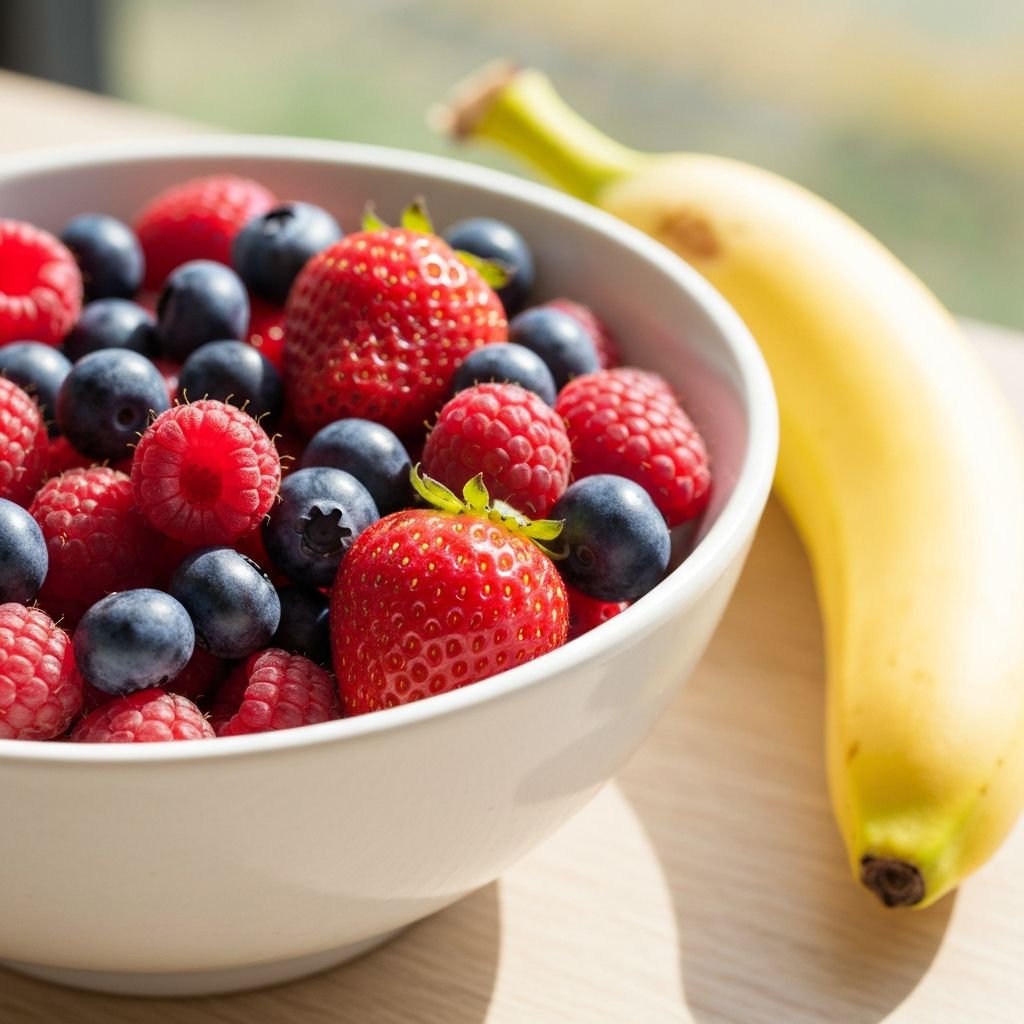
Blueberries, strawberries, oranges, and bananas represent commonly available fruit options in typical grocery stores. Seasonal availability affects fruit choices throughout the year.
Fresh, frozen, and dried varieties offer different convenience levels and storage characteristics for daily consumption patterns.
Nutrients are chemical compounds found in food that serve various functions in the human body. Major nutrient categories include proteins, carbohydrates, fats, vitamins, and minerals.
Each nutrient category encompasses numerous specific compounds with different chemical structures and biological roles. The relationship between nutrient intake and bodily functions is complex and influenced by many factors.
This section provides general educational information about nutrient categories commonly discussed in nutritional contexts, without making claims about specific health outcomes or individual requirements.
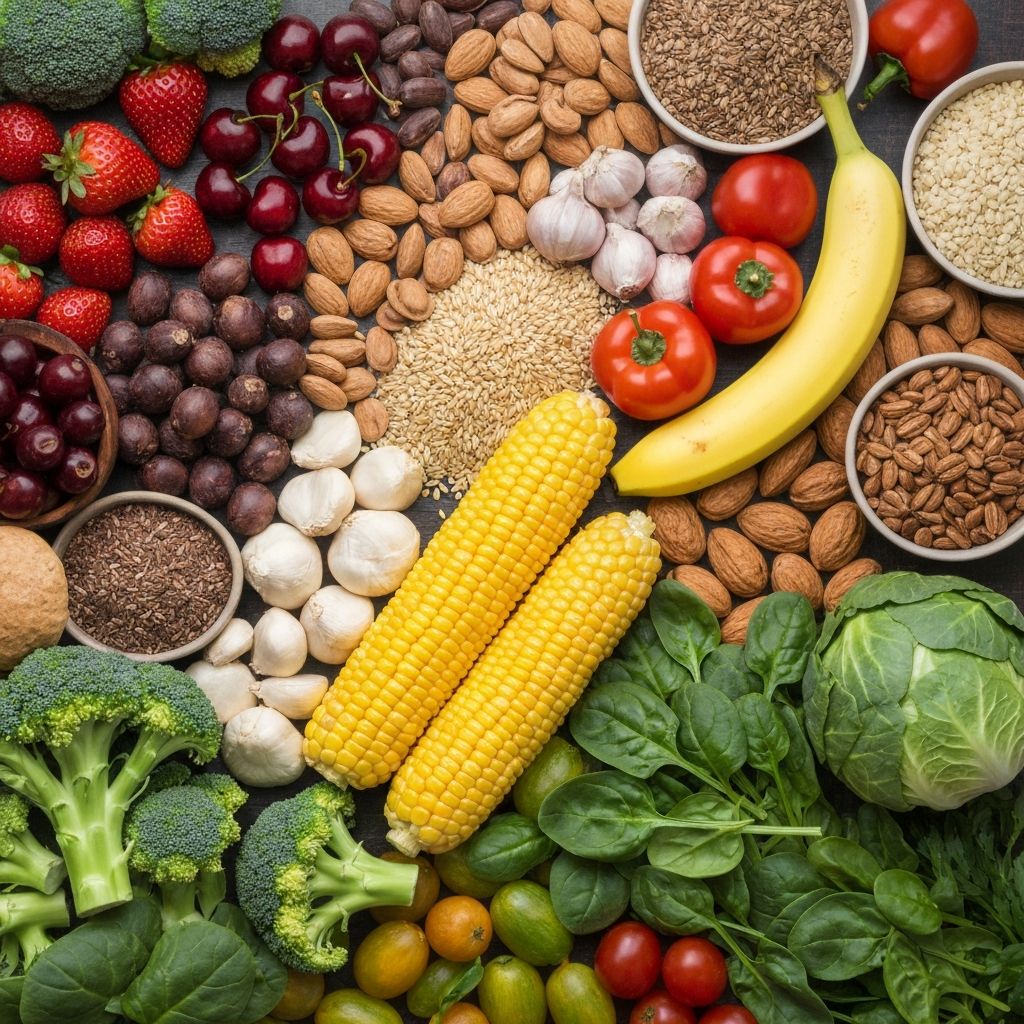
General lifestyle factors interact with dietary patterns in numerous ways. Physical activity, sleep quality, stress levels, and social routines all form part of the broader context in which food choices occur.
Active lifestyles may involve different energy requirements compared to sedentary routines, though individual variation is substantial. Regular movement, whether through structured exercise or daily activities, represents one component of overall lifestyle patterns.
Sleep schedules, work demands, and recreational activities all influence when and how individuals approach meals throughout the day. There is significant diversity in how people structure their daily routines around food consumption.

Herbs, spices, oils, and fresh produce form the foundation of many cooking traditions worldwide. Garlic, ginger, turmeric, olive oil, and fresh herbs like parsley and basil appear frequently in various cuisines.
Natural ingredients vary in flavor profiles, preparation methods, and traditional uses across different cultural contexts. Understanding common ingredients helps in recognizing the diversity of options available in typical food preparation.
This educational overview describes ingredients commonly found in home kitchens and grocery stores without recommending specific uses or quantities.
Food consumption patterns vary significantly across cultures, geographic regions, and historical periods. Mediterranean diets emphasize olive oil, fish, and vegetables, while Asian dietary traditions often feature rice, soy products, and specific vegetable varieties.
Northern European eating patterns historically included different ingredients compared to tropical regions, reflecting local agriculture and food availability. Modern globalization has increased access to diverse food options in most urban areas.
Cultural traditions influence not only which foods are consumed but also meal timing, preparation methods, and social contexts around eating. This diversity demonstrates the wide range of approaches to daily nutrition observed across human populations.
Packaged food products typically display nutritional information panels listing ingredients, serving sizes, and nutrient content. Understanding how to read these labels is a basic skill for making informed food choices.
Ingredient lists appear in descending order by weight, meaning the first ingredients comprise the largest portions of the product. Terms like "whole grain," "enriched," or "fortified" have specific meanings in food labeling contexts.
Nutritional panels show amounts of calories, fats, carbohydrates, proteins, and selected vitamins or minerals per serving. Serving sizes are standardized measurements that may differ from typical consumption amounts.
This educational content explains common labeling conventions without recommending specific products or suggesting which items individuals should choose for their personal dietary patterns.
Nutritional education typically covers macronutrients (proteins, carbohydrates, fats) and micronutrients (vitamins and minerals). Each category includes numerous specific compounds found in various food sources.
Dietary patterns differ based on cultural traditions, geographic location, economic factors, and personal preferences. There is substantial diversity in how different populations approach food choices and meal structures.
Multiple factors affect food choices including taste preferences, cultural background, availability, cost, convenience, social contexts, and individual schedules. These factors interact in complex ways that vary from person to person.
Nutritional science recognizes that age, activity level, and life stage are among many factors studied in relation to dietary patterns. However, individual variation within any group is substantial, and generalizations have significant limitations.
Physical activity and dietary intake are interconnected aspects of lifestyle patterns. Energy expenditure from activity represents one of many factors in the complex relationship between food consumption and daily life, though individual responses vary considerably.
This website provides educational information only. The content describes general categories of foods, common dietary patterns, and basic nutritional concepts for informational purposes.
This resource does not provide individual recommendations, medical advice, or personalized guidance. All information is general in nature and does not account for individual circumstances, preferences, or specific situations.
Dietary approaches vary widely among individuals and populations. What works in one context may not apply in another. This content does not suggest that any particular approach is superior or suitable for any specific person.
Readers should make their own informed decisions based on their individual circumstances, preferences, and in consultation with qualified professionals when appropriate for their specific situations.
Learn more about the informational approach of this knowledge hub
Read more about our educational mission